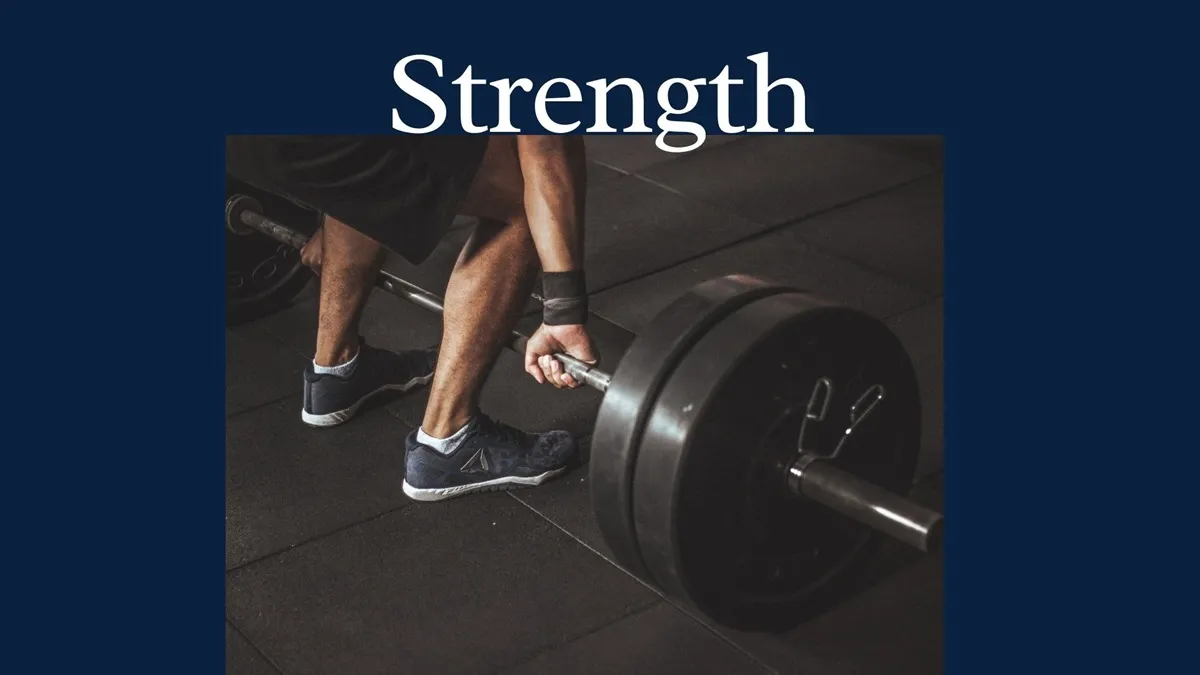
The hip hinge is arguably the most important movement pattern you'll ever learn. It's the foundation of deadlifts, kettlebell swings, good mornings, and athletic power. Yet most people never learn it properly, leading to lower back pain and missed potential.
The hip hinge teaches you to load your posterior chain (glutes, hamstrings, spinal erectors) while maintaining a neutral spine. This protects your lower back while building explosive hip power. Get this right, and you unlock a world of strength training possibilities.
Hip Hinge = Bend at Hips, Not Spine
The core concept is simple: movement comes from your hips, not your lower back. Your spine stays in a neutral position while your hips push back and your torso tilts forward. When done correctly, you'll feel tension in your hamstrings, not stress in your lower back.
Why the Hip Hinge Matters
Back Protection
The hip hinge teaches you to lift with your hips, not your back. This protects your lumbar spine from the rounding that causes disc injuries. Every time you pick something up from the floor, you should use a hip hinge pattern.
Power Production
The glutes and hamstrings are your most powerful hip extensors. The hip hinge teaches you to load and explode from these muscles, driving athletic performance in jumping, sprinting, and explosive movements.
Lift Foundation
The deadlift, Romanian deadlift, kettlebell swing, barbell row, and many other exercises are built on the hip hinge. Master the pattern bodyweight first, and these lifts become intuitive and safer.
Daily Life Application
Picking up groceries, lifting boxes, working in the garden - these all benefit from proper hip hinge mechanics. Good movement patterns in the gym create good movement patterns in life.
Muscles Involved
Primary Movers
- Gluteus Maximus - Primary hip extensor, powers the lockout (see glute training guide)
- Hamstrings - Control the eccentric, assist hip extension
- Erector Spinae - Maintain spinal position (isometric)
Stabilizers & Support
- Core Muscles - Brace and protect the spine
- Lats - Lock the shoulders in loaded variations
- Upper Back - Maintain thoracic extension
- Adductors - Hip stability and force transfer
Learning the Hip Hinge
If you've never consciously practiced the hip hinge, start with these teaching drills before adding load.
Wall Touch Drill
Stand about 15cm (6 inches) from a wall, facing away. Without bending your knees much, push your hips back until your glutes touch the wall. Stand back up by driving hips forward. Move farther from the wall as you improve.
Dowel on Spine
Hold a dowel, broomstick, or PVC pipe behind your back, touching your head, upper back, and sacrum. Perform a hip hinge while maintaining all three contact points. If any point loses contact, you're rounding or overarching.
Hand on Lower Back
Place one hand on your lower back with fingers pointing down. As you hinge, your back should maintain its natural curve - your hand shouldn't get squished (overarching) or pushed away (rounding).
Pull-Through Drill
Stand in a hip-width stance. Reach hands down as if picking up a kettlebell between your legs. Focus on pushing hips back, not bending forward. The movement is back, not down.
The "Hips Back" Cue
Think about pushing your hips back into an imaginary wall behind you. This shifts your weight to your heels and loads your hamstrings. If your weight moves to your toes, you're bending forward rather than hinging back.
Hip Hinge vs Squat: Key Differences
These are distinct movement patterns, though both involve hip and knee flexion. Understanding the difference prevents confusion and improves both movements.
| Characteristic | Hip Hinge | Squat |
|---|---|---|
| Primary Joint | Hip flexion/extension | Knee and hip flexion/extension |
| Knee Bend | Minimal (15-25 degrees) | Significant (90+ degrees) |
| Torso Position | Moves toward horizontal | Stays more upright |
| Hip Movement | Pushes back | Sits down |
| Primary Muscles | Hamstrings, glutes, erectors | Quads, glutes, adductors |
| Examples | Deadlift, RDL, KB swing | Back squat, front squat, goblet squat |
The deadlift combines elements of both patterns - you hinge at the hips but also bend the knees to reach the floor.
Common Mistakes and Fixes
Lower Back Rounding
Flexing (rounding) the lumbar spine, especially at the bottom. Think "proud chest" and maintain the natural lower back arch. Reduce range of motion until you can maintain neutral spine.
Too Much Knee Bend
Turning the hip hinge into a squat. Keep a soft knee (15-25 degrees) but don't increase the bend as you hinge. The movement comes from hips pushing back.
Weight on Toes
Shifting forward onto the balls of the feet. Keep weight in your heels and mid-foot. As you hinge, you should feel you could lift your toes.
Hyperextending at Top
Overarching the lower back and leaning backward at lockout. Finish with a strong glute squeeze, standing tall with neutral spine - don't lean back.
Hip Hinge Exercises: Progression Ladder
Progress through these exercises as you master the pattern. Each builds on the previous, adding complexity and load.
Bodyweight Hip Hinge
The pure pattern with no load. Use the wall touch drill and dowel to learn. Master 3 sets of 15 with perfect form before adding weight.
Romanian Deadlift (RDL)
The classic hip hinge with a barbell or dumbbells. Start from standing, hinge down to mid-shin level, drive back up. Builds hamstring and glute strength.
Kettlebell Swing
A ballistic hip hinge that builds power. The swing is a hip hinge, not a squat - hip snap drives the bell forward. Start with Russian swings to chest height.
Good Morning
Barbell on back, hinge forward maintaining neutral spine. Great for teaching the pattern with lighter loads. Builds spinal erector endurance.
Cable Pull-Through
Cable between legs, hinge back, then drive hips forward. Constant tension throughout range. Great for glute activation and grooving the pattern.
Conventional Deadlift
The king of hip hinge exercises, picking a barbell from the floor. Combines hip hinge with knee flexion. Explore all deadlift variations to find your best fit.
Single-Leg RDL
Advanced balance and stability challenge. Develops unilateral hip hinge strength and addresses asymmetries. Great for athletes and injury prevention.
Programming Hip Hinge Movements
Sample Weekly Structure
| Day | Exercise | Sets × Reps | Focus |
|---|---|---|---|
| Day 1 | Conventional Deadlift | 4×5 | Strength |
| Day 2 | Romanian Deadlift | 3×10 | Hypertrophy |
| Day 3 | Kettlebell Swings | 5×10 | Power/Conditioning |
Sample programming for hip hinge movements across a training week.
Balance with Squats
Don't neglect squatting patterns for hip hinge patterns or vice versa. A balanced program includes both. Many programs alternate: squat-dominant day, hinge-dominant day. Both patterns make you stronger at the other.
Mobility for Better Hip Hinge
Tight hamstrings and hips often limit hip hinge depth. Work on these areas to improve your pattern.
Hamstring Mobility
- Standing toe touches
- Romanian deadlift stretch
- Seated forward folds
- Leg swings
Hip Mobility
- 90/90 hip stretch
- Pigeon pose
- Hip flexor stretches
- Hip circles
Glute Activation
- Glute bridges
- Clamshells
- Bird dogs
- Fire hydrants